

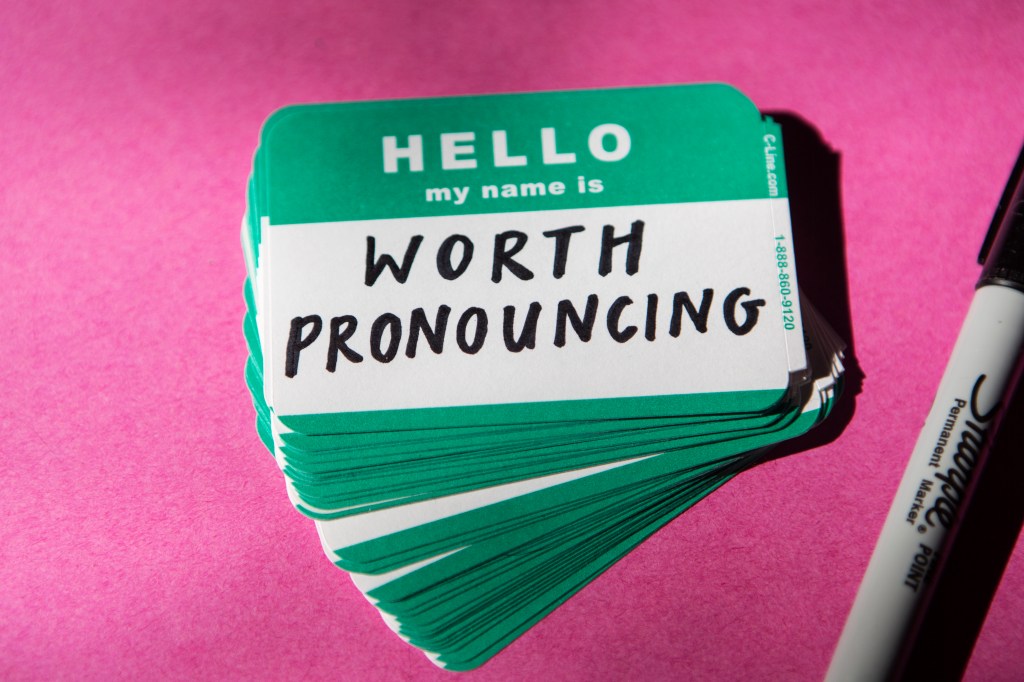
For the majority of my life, people left right and centre have mispronounced my name (which will be detailed later in the blog post). But I know I am not alone. REM (Race Equality Matters) – an organisation committed to tackling racism and discrimination in the workplace and helping hundreds of companies do so, and started Race Equality Week which takes place every first week of February – found in a poll they did that 73% of people said they have had their name mispronounced, 43% said it made them feel disrespected, and 35% said it had an impact on their identity as a person.
They launched the campaign #MyNameIs as a way to raise awareness of this common experience many people face every day, which includes a phonetic spelling tool that people can add to their email signatures. But what can the impact be of mispronouncing someone’s name and how can doing so have knock-on effects for those involved and even beyond with their “naming” behaviours? Here are 10 examples I’ve pulled together for Race Equality Week 2026…
1. Christina Aguilera
From “Ag-YOU-laira” to “AgUI(WUH)-laira” and from “AgEE-laira” to however else someone thinks it’s pronounced, Christina Aguilera’s name has long been a topic of debate. She has previously revealed how she was advised to change her name when she first started out because it was “too long, too complicated, and too ethnic” but didn’t back down, opting to keep it and remain true to her roots.
For clarification, the correct pronunciation is closer to the third one above, as you can see below when she introduces herself. However, despite this, people – perhaps even her fans – still get it wrong. Even in the Intro track to her Back to Basics album, the first pronunciation is used by the man saying her name. Here is a clip of someone literally talking about the aforementioned proposed name change experience she had whilst pronouncing her name incorrectly.
While Xtina may not go around constantly telling people how to say Aguilera properly, you can probably imagine that after more than 25 years in the spotlight (and even the many years before her global fame, especially when she was introduced before singing) she might be quite annoyed that so many still mispronounce it.
2. Hyundai
For years, Hyundai has been pronounced differently in the UK than it is in other markets. Why this was the case seems unclear. But most of you have probably all seen their tongue-in-cheek ad campaign over the last couple of years that attempts to switch people’s perceptions and way of pronouncing their name.
This is a funny one because it is Hyundai who have told people how to say it before now trying to change that trajectory in order to “showcase the brand’s commitment to a more accurate and global pronunciation”. It is not people mispronouncing it because they independently thought that was correct. But with this campaign it takes ownership of accountability, even if it does seem as simple as name correction. The question that remains though is, will this help people think twice and actually ask to ensure they avoid mispronunciation?
3. Big Brother’s Yinrun
In 2023, Yinrun Huang became an instant hit with housemates and the public when she entered the infamous Big Brother house. But while it is assumed (as I didn’t watch it), her housemates had no problem following her lead and getting her name right, it has baffled people previously. Before Big Brother, Yinrun also took part in the game show The 1% Club, aired after her appearance on BB. In it at one point, presenter Lee Mack refers to her as “Runrun Huang” (sorry it’s a Daily Mail article!), pronouncing “run” like the action and Huang as Hoo-wang.
For anyone who is familiar with Mandarin, “run” is not pronounced how it’s spelt in English and the “ua” sound is not two separate syllables. The changing of her name to “Runrun”, however, did in fact receive complaints to Ofcom from viewers. But, Yinrun herself took to Instagram and TikTok to dispel any hard feelings, saying they asked if it was ok to call her this, which she said she didn’t mind. Is she just too kind or were people just being offended on someone else’s behalf?
While I strongly believe in people making an effort to get names right, I also believe in people having the right to allow themselves to be called however they wish, whether it is a name chosen by or for them.
4. Kamala Harris vs. Donald Trump
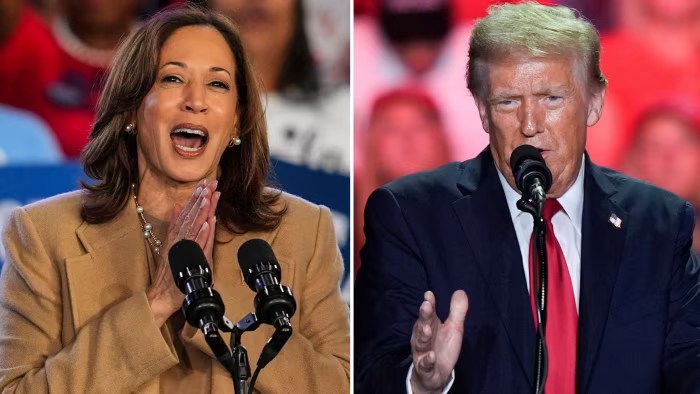
In classic Donald Trump style, during the election race he was widely accused of mispronouncing rival Kamala Harris’ (COM-a-la HAR-iss) name on purpose. And it’s an accusation he certainly didn’t outright deny, claiming he had “heard it said about seven different ways”, adding “it doesn’t matter what I say. I couldn’t care less if I mispronounce it”.
He has in fact probably said it himself in seven different ways, including calling her “Camilla” and “Camela”. This flagrant disregard for how he pronounces her name incorrectly and could care less that he is doing so, is hardly surprising – just Google “mispronouncing names” and Donald Ttump’s slip-ups come up all too often… When it comes to not knowing how to pronounce someone’s name and perhaps having heard it said it different ways, the best way to avoid that is by either asking them or following how they themselves say their name…
5. Viveak Taneja: a victim of racial harassment
In the world of equality, diversity and inclusion at work, repeatedly misnaming an employee, especially when they have corrected you, constitutes racial harassment. This is according to a tribunal which ruled in favour of Viveak Taneja, who said being repeatedly misnamed by a colleague violated his dignity.
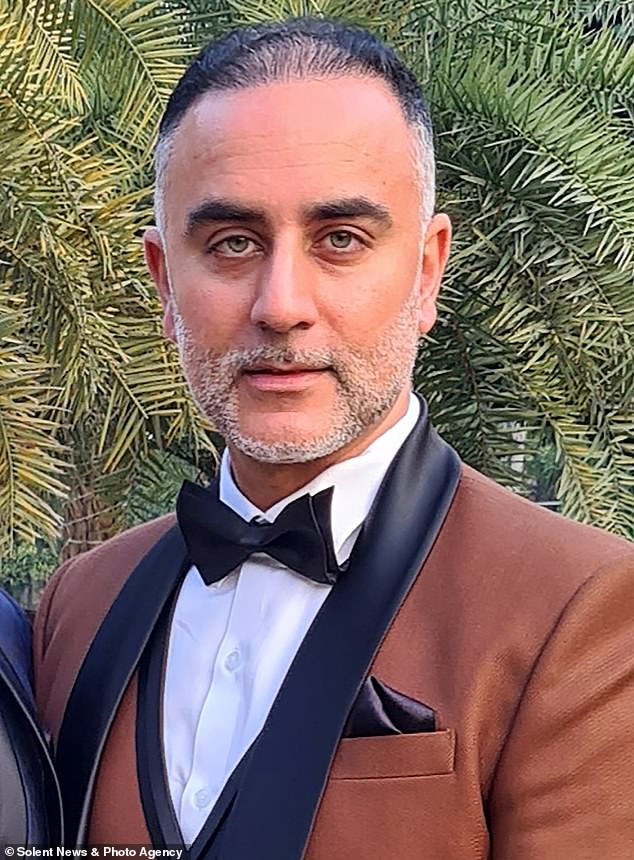
Viveak – whom his colleague called Vikesh instead and did not apologise when corrected – said, like many ethnically diverse people, that his name is “linked to his race” and “had a specific meaning in his culture” that made him proud of it. In this particular case, it is clear that a dislike and disagreements between the two men were already evident even without the racial harassment, but it proves that dignity at work and ensuring ethnically diverse colleagues’ backgrounds are respected, should be of utmost importance.
You can read more about the hidden cost of workplace bias and mispronouncing names here.
6. Daniel Craig or Creg?
Even names that some might think are easy to pronounce can be said incorrectly. James Bond actor Daniel Craig is one such example. The video below shows him on The Late Show with James Colbert who repeatedly calls him Daniel “Creg”. Whether it’s because “Craig” is not a well-known name in the US and that’s why is not clear and no explanation is given but what is given is an apology after Daniel politely calls him out on it and corrects him.
This is a good example of how to correct someone in a nice way that doesn’t offend in return and a good example of how the person who said it wrong should react back: by ensuring they are getting it right and not making the same mistake again.
7. Hannah Whating-what?
Another example of a name you might not think is hard to pronounce but apparently is for some… actress and singer Hannah Waddingham of Benidorm and Ted Lasso fame had her surname mispronounced by Laverne Cox on the Emmys red carpet. While Laverne seemed to know she pronounced it incorrectly the first time and tried a second time, even after being told by Hannah that it is WaDDingHAM and not Wattington or Wattingham, her third attempt still sounded similar to her second.
Understandably, Americans do not always pronounce Ts in the same way as some British people, with it often sounding like a “D”. However, after being corrected in a very clear manner, it is a bit embarrassing Laverne still got it wrong. Thankfully, Hannah took it in her stride but good for her for calling it out (but not aggressively) while also at the same time not dwelling too much on the fact it still wasn’t 100% right so as not to cause poor Laverne further embarrassment.
8. “Daughter’s life ruined” by woman telling mother she is saying her name wrong
While I don’t always like to use things posted on Reddit due to their often dubious and nearly always anonymous nature, this story about a woman who was told by a mother her daughter’s “life was ruined” when she pointed out that she was mispronouncing her name incorrectly was interesting. The child had been given an Irish name Gráinne (meaning “love” or “sun” in Gaelic and generally pronounced as Gro-nyuh, “or thereabouts”) but had been called “Grain” up until this point.
While above I have said it’s a good idea to ask the person how they pronounce their name, a case like this is different, whereby the parents are responsible for bestowing a name upon their child and must understand where it comes from, what it means and how it is pronounced. The child was said to have Irish heritage but it is clear perhaps that the parents were not in touch with said heritage and therefore are to blame for the mispronunciation.
9. Choon Young Tan
As I said previously, I have experienced countless times whereby people have mispronounced or misspelled my name. Be it Chon, Choo, Chong, June, Choon Young, or any other variation over the phone, by email or letter, or in person, it has dogged my life for as long as I can remember. Even when just using my middle name, which I did at uni and earlier and only close friends and family call me these days, it still appeared to be difficult for some.
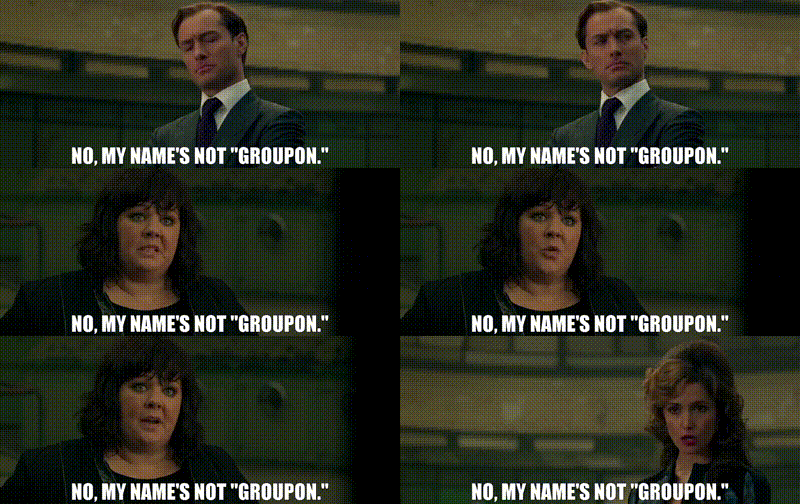
While I have sometimes in the past struggled to accept or like my first and/or middle name, this came more from a lack of confidence in my identity – having a name that wasn’t English when pretty much everyone else I knew, even other Chinese and ESEA friends did. However, even with that aside, I have still always thought it important to get names right.
This is why the quote about micro-aggressions (explained more below) being “like death by a thousand cuts” rings so true. At work these days, in emails the “from” name puts everyone’s surname first followed by a comma, then their first name. But despite assuming everyone would know this, I still get numerous emails or replies where I am addressed as “Tan” – even if my previous email signed off with Choon and my signature is there which highlights what my name is. People’s intentions may not be malicious but the constant mistake, sometimes even by the same person does nothing but erode away at your nerves that in honesty, it is hard not to respond back for of course there is a need to balance professionalism with maintaining dignity and educating people.
10. Is mispronouncing a name a micro-aggression? Intent vs. impact
After the launch of Race Equality Matters’ #MyNameIs campaign in 2021, an opinion piece in The Spectator entitled Mispronouncing names isn’t a ‘microaggression’ alleged that mispronouncing people’s names is “the latest eggshell to avoid” alongside the other “bewildering number of offensive transgressions these days” such as using the wrong pronoun for someone.
It goes on to say that mispronouncing names is often due to linguistics, with even Italians and Chinese people being unable to pronounce some English names because of phonetics in their own language, essentially saying it is not just British people who have trouble with “foreign names”. Although it generally sympathises with people who have their name mispronounced, the article claims “that we are too keen to perceive racism and offensive intent, even when there is none”, ending with “when it comes to names, to say the wrong thing – literally – is a normal, universal and eternal language occurrence.”
However, the side this article fails to address, is what #MyNameIs does highlight – that with micro-aggressions it is more about impact than intent. Statistics by CSP (The Chartered Society of Physiotherapy) and carried out by Opinium Research in 2022 show that just 26% of Brits are familiar with the term micro-aggression and 49% say they would not be confident identifying a micro-aggression. Additionally, only 20% would deem “how do you pronounce your name?” to be a micro-aggression (though technically that would not count, but not asking and mispronouncing would). This highlights that people, including “perpetrators” and those on the receiving end, often don’t know what a micro-aggression is when they exhibit or experience it.
Furthermore, research proves that people can be heavily and negatively impacted when experiencing micro-aggressions. By disregarding the way someone feels when their name is mispronounced or misspelt – especially when it is constant (whether by the same person or not) – the article misses the point about #MyNameIs and the importance of making an effort to get people’s names right with simple corrective steps. It doesn’t necessarily matter whether someone didn’t mean it maliciously – it can still be offensive. It’s how you address and deal with it that bridges the gap to better understand differences.
By the way, this article was written by someone called “Patrick West”, who has likely never had their name mispronounced…
In conclusion
Obviously the above are only a small number of examples out of a sea that are available and happening on very regular basis, with some recent ones in only the last few months including Tara Lipinski on Traitors, Whoopi Goldberg/Zohran Mamdani on The View, and the serious allegations brought against Meghan Markle’s charity for a toxic work environment which included incidents of colleagues having their names intentionally mispronounced.
So, next time you come across someone whose name you’re unsure of how to pronounce – think first and find out one way or another before you not only look bad but make someone else feel bad. Whether you ask or even check on Wikipedia, who sometimes have the phonetic spelling (see Christina Aguilera’s page) or even an audio clip from the person (for example, Kamala Harris) pronouncing their name.


Leave a Reply