


Because life is busy and time is tight to write too many full-length reviews that inundate Tan’s Topics, I’ve decided that for some things I will amalgamate them into shorter, more bitesize reviews. The first of these is a triple whammy for Docile: Memoirs of a Not-So-Perfect Asian Girl by Hyeseung Song, the play Shanghai Dolls at Kiln Theatre and the Hollywood film Love Hurts starring Ke Huy Quan.
Book Review: Docile – Memoirs of a Not-So-Perfect Asian Girl by Hyeseung Song
I was really fortunate to have been gifted this book by the publisher (HQ) ahead of its UK release on 24th April via Voice ESEA and read it through within a few short days. What I liked and appreciated about Docile was its relatively short length of c.300 pages. Not every little detail of people’s lives needs to be included in memoirs and autobiographies and Hyeseung ensured that only the key and most intriguing parts of her life were retold.

My only critique would be that much of her life flew by in a matter of pages, often only touching on some years as if what happened in them played their part in shaping her but didn’t necessarily need dwelling on. From a young schoolgirl age all the way through to life post-marriage, the chapters jumped through like a biopic does, changing scenes almost as soon as they are set, as if there was less than 2 hours to fit it all in. Blurs of characters such as school and college friends, colleagues, acquaintances and relatives entered and exited her life within a page sometimes, often making it a little confusing when mentioned in passing later or never to be heard of again.
Aside from that, Docile is an often relatable and incredibly eye-opening look into Hyeseung Song’s life as she recounts her turbulent relationship with her family – and in particular her mother, mental health, and others. With her mother, there is that relatable feeling (and I guess, quite universally across the ESEA diaspora) of having an unconditional love for her yet often really unable to get on with her dynamic. And yet you will still always be more likely to prefer or seek comfort from them than your father. There is that constant push for being better and being better than others, including siblings and cousins. And that unnerving flippancy when you disappoint but lash back out.
One haunting aspect that is spoken about, albeit in a such candid yet also matter-of-factly way, is the sexual abuse she experienced on more than one occasion. Almost as if she didn’t really know what happened to her or what happened could be described as. But all the while knowing that what happened subsequently affected her relationships, her way of thinking and her wellbeing.
Docile, in my mind, is ultimately about Hyesung’s journey of self-discovery as she navigates the the bumps and rollercoaster ride of life that she perhaps wasn’t as prepared for as she – or indeed her parents, and especially mother – had hoped she would be. It’s frank and emotional, giving the reader a lot to take in in such a short space of time, yet you can only imagine even that is just a glimpse into Song’s life.
Rating: 4/5
Theatre Review: Shanghai Dolls
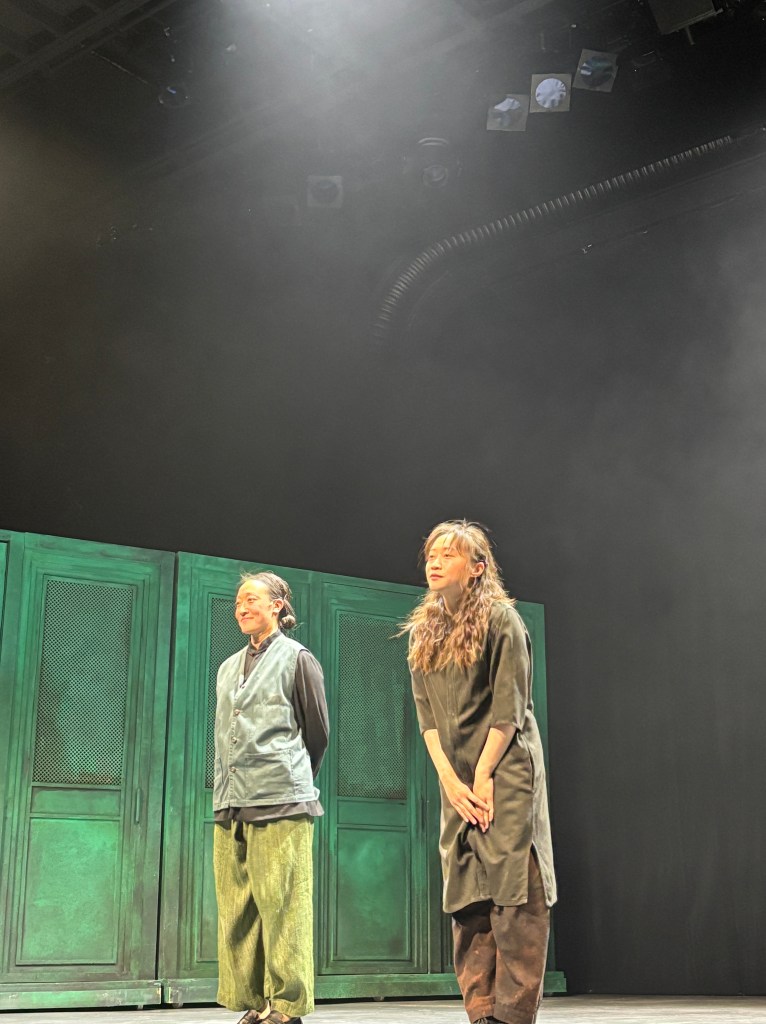
Everyone the world over knows who Mao Zedong is and what he did. But many might not know that one of his main righthand men was in fact a woman. Jiang Qing (played by Gabby Wong) was the ruler’s fourth wife and often seen to be just as ruthless as he was in some aspects, which is surprising considering her background as an actress.
But thanks to a brand new play by playwright Amy Ng, Shanghai Dolls aims to retell her story as well as that of her former friend turned rival Sun Weishi, Zhou Enlai’s adopted daughter (played by Singaporean actress Millicent Wong), and how their parallel yet opposite lives and trajectories shaped part of the Cultural Revolution and CCP.
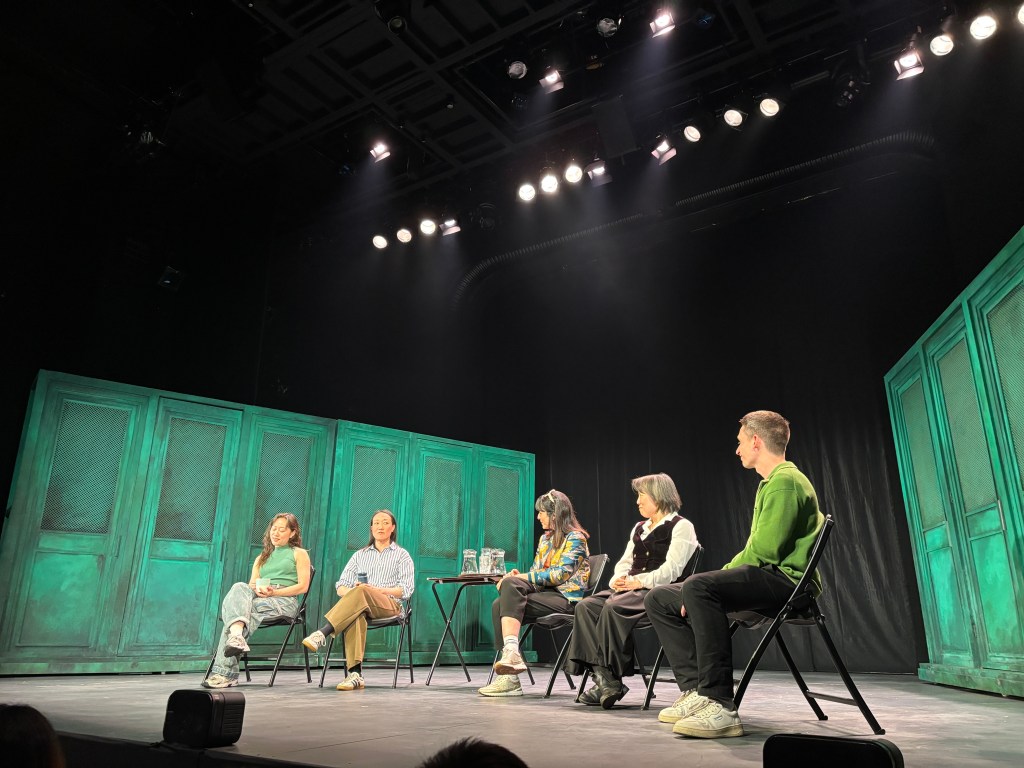
By Amy’s own admission in the post-show Q&A I attended, despite having done a lot of in-depth research into both women’s lives to be able to tell them as truthfully and factually as possible, about 60% of the play is accurate, particularly some of the incidents and the years in which they happened. The rest is filled in with popular hearsay, educated guesses and assumptions. But the show itself reveals the intricate reasons of how and why these two women – who both identified as radical Communists – were in fact very different despite some similar circumstances.
Themes of friendship, betrayal, the patriarchy and ideals of what a “new China” means form the basis of a play that is dramatic, explosive and above all, thought-provoking. Was Sun Weishi too afraid of change and angering people, preferring to keep her head down? Was Jiang Qing actions consequences of her despair at the men in power and her desire to take matters into her own hands? As with every villain origin story, there’s always more to them than the idea that they were “born bad”. Jiang Qing’s troubled life as a child living in an abusive household, the media scandals she was part of and endured during her time in Shanghai, and the way Mao and her CCP contemporaries treated her all certainly were responsible for her rise to tyranny and unwavering positions against those who were against her and the Party.
Shanghai Dolls is currently playing at Kiln Theatre in Kilburn until 10th May so it’s highly recommended trying to see it before this as there are no current plans to extend, move or tour it, least of all anywhere in China…
Rating: 5/5
Film Review: Love Hurts
You can’t help but feel bad for Ke Huy Quan. Not long after winning a history-making Oscar for Everything Everywhere All at Once – marking a triumphant comeback to Hollywood – he is receiving more recognition and roles. These include a voice role in Kung Fu Panda 4 and recurring roles in American Born Chinese and series 2 of Loki.
But previous success never always means continuous success. And Love Hurts is proof of that. What should have or could have been a hit romantic action comedy, falls short in all three genres let alone one mixed genre. Unfortunately, apart from the action and fight senes that resemble the gory, stylish, OTT sequences of the likes of Kill Bill, old-school Hong Kong kung fu movies, and even the recent The Brothers Sun, Love Hurts is sadly a cliché, underdeveloped and rather dull film.

And it’s not only Ke Huy Quan’s talents that have been wasted on what was at least an extremely low budget film, albeit a budget that box office receipts couldn’t even match. Fellow Oscar winner Ariana DeBose as his “love interest”, American Chinese and Hong Kong film star Daniel Wu as his ruthless stereotypical bubble tea loving brother and gang leader, LOTR legend Sam Astin as his yeehawing real estate mentor, and seasoned actor Cam Gigandet as his internal rival, can now all count Love Hurts as the Cats film of their career.
But is it a case of the fact that Hollywood still isn’t ready for a cool yet humble male Asian lead actor, no matter what accolades he has? Although Ke Huy Quan is reminiscent of Jackie Chan and Chan is the undoubtedly one of the world’d biggest movie and action stars, he hasn’t had a hit lead role in the West in years. Couple that with a boring script, barren jokes, little chemistry between Ke Huy Quan and Ariana DeBose, and passable but hardly groundbreaking fight scenes, and you have a revenge family gangster film that hurt more wondering why you spent (thankfully only) 90 minutes watching it rather than hurting from laughing too much.
 Tan's Topics
Leave a comment