

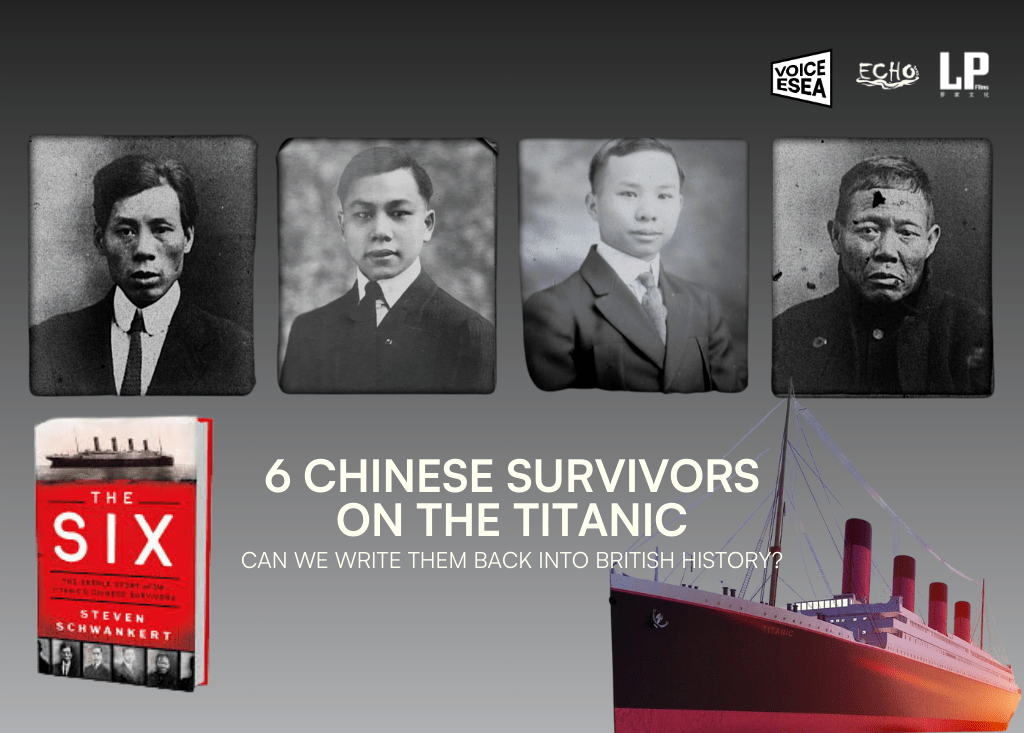
As part of my voluntary work with Voice ESEA, I am proud to be helping to organise their second annual exhibition in London and Manchester exploring British ESEA (East and Southeast Asian) history. ECHO (ESEA Collective: History, Over here) aims to uncover hidden British history, inclusive of ESEA stories, many of which have been long forgotten, untold or swept under the rug. One such story is that of the six Chinese survivors of the Titanic. And thanks to author of “The Six” book Steven Schwankert and the director of the same-titled documentary Arthur Jones, we are able to and retell them for a wider audience.
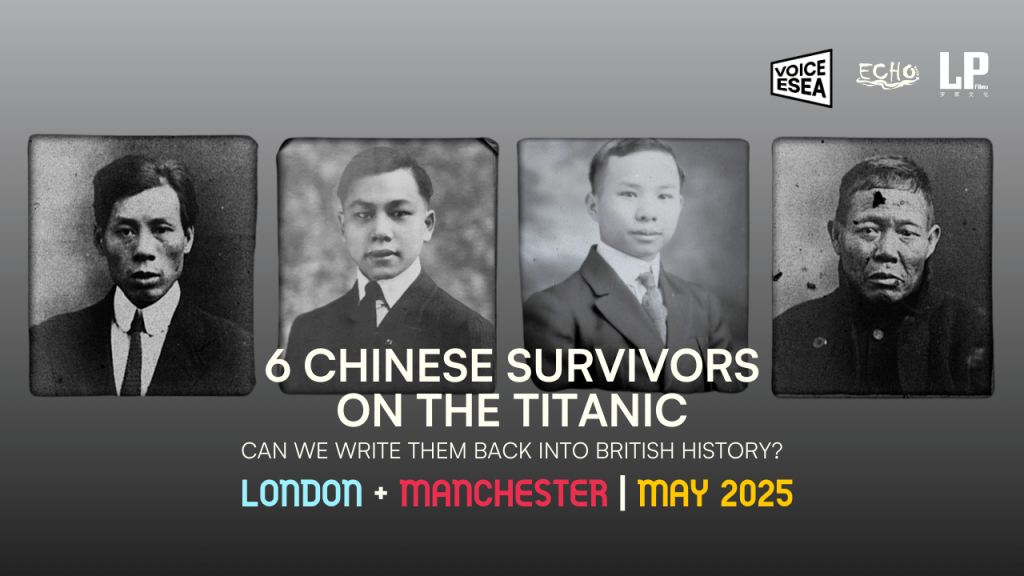
Originally eight, the six survivors overcame prejudice from other passengers, the press and the public following their rescue from the Titanic and arrival into New York in April 1912. All because they were Chinese. Branded as stowaways, blamed for taking what could have been the places of women and children on lifeboats by dressing in women’s clothing to get on them, and accused of hiding underneath the seats so they wouldn’t be caught, people had a field day. All these claims were false.
But while this negativity swirled around them to start with, they soon disappeared back into obscurity as their lives continued beyond the Titanic. Sent onwards to work in Cuba, then back to the UK to help in allied war efforts for WWI like thousands of other Chinese seamen, many of the survivors were soon lost in history. How long did they live? Did they go back to China? Did they start families? Did they ever tell their families? For most of them, nobody is quite sure.
Taking inspiration of Steven Schwankert’s book alongside other research and available material, our exhibition will help answer these questions. We’ll also look at how their experiences had direct or indirect effects on other ESEA communities throughout other times in British history. And as part of our research, I was honoured to be able to get an advanced copy “The Six” from Steven himself.
Newly released, “The Six” book coincides with the upcoming anniversary of the Titanic’s sinking on 15th April 1912 and comes nearly four years after the award-winning documentary, which was executive produced by James Cameron. If you’re unable to attend the exhibition, you can watch the documentary via MagellanTV with a free trial and order the book now to read.
Schwankert’s book is – despite them having limited and conflicting information available about the Chinese passengers – surprisingly extremely detailed, which is testament to his and the research team’s incredible work. Together they found members of their family back in China, living relatives in the US, hidden and forgotten records about some of the survivors’ subsequent whereabouts after the Titanic and, using known facts and realism with most probable theories, debunked claims and myths made about them.
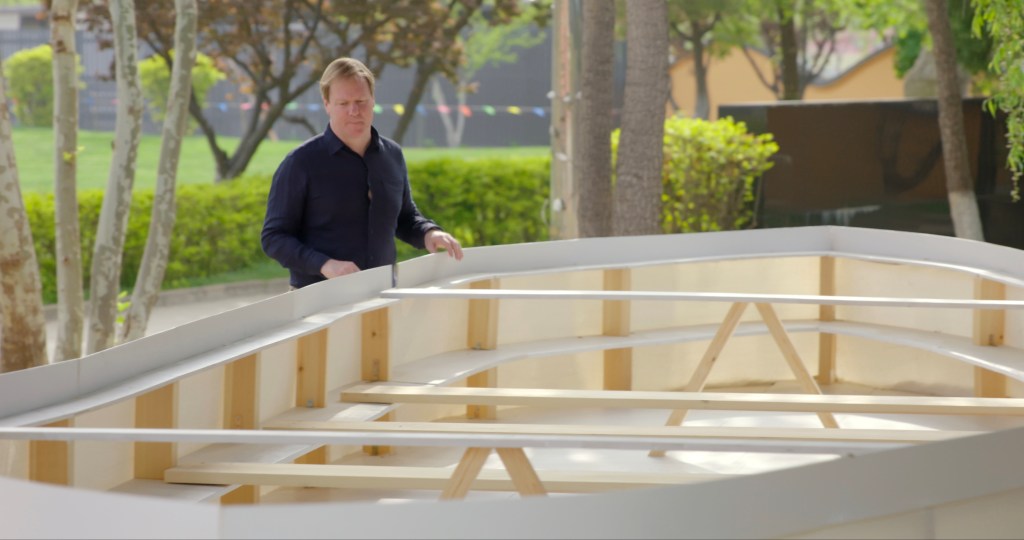
This included recreating scenes such as submerging in near-freezing water to understand how long one survivor Fang Lang/Fong Wing Sun might have spent in it before being rescued and completing rebuilding Collapsible Lifeboat C to prove how the men could not have physically and realistically hidden underneath the seats without being seen.
With “The Six” book, Steven Schwankert takes you on a thought-provoking journey that ultimately helps readers and anyone interested in the Titanic or general historical truths how and why the Chinese passengers were treated in the ways that they were. It gives insights into how that led to their stories being forgotten, but doesn’t quite help understand why, more than 100 years later, their stories are still often unknown.
But with Voice ESEA’s ECHO exhibition, we hope to open honest conversations about this and show such incidents of forgetting ESEA histories is something that hasn’t changed much. How have narratives and the narrators shaped those histories? How did someone like James Cameron, who executive produced the documentary, potentially play a part in concealing truths and facts from the general public through his blockbuster 1997 Titanic film? And how have the championing voices of Steven Schwankert and Arthur Jones helped change that, despite not being of East or Southeast Asian heritage?
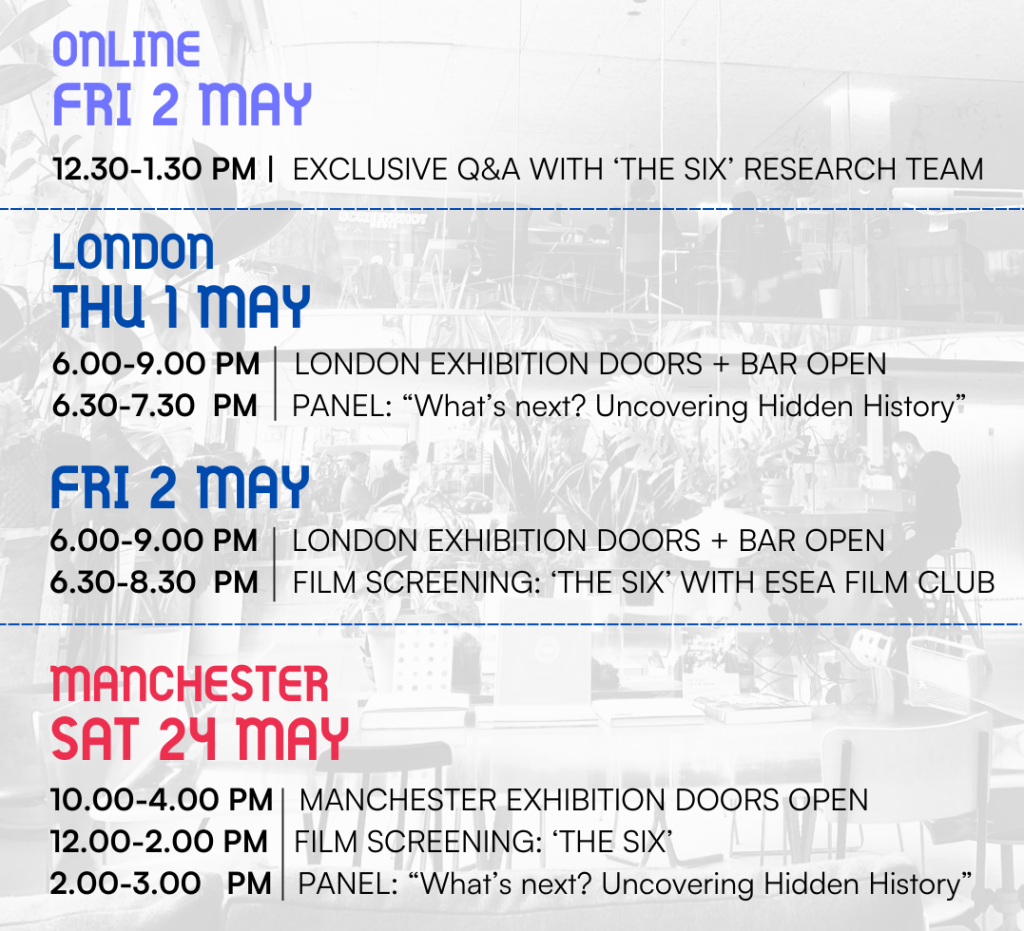
Join us on 1-2 May at Second Home in London and 24 May at SEESAW in Manchester for our exhibition to find out and learn more! This events include the stories of the Chinese passengers and more from across the British ESEA diaspora and histories spanning centuries, panel discussions with experts on cultural heritage and history talking about what’s next in uncovering hidden history and actively broadening understanding and retellings of it, and screenings of The Six documentary. There is also an exclusive online Q&A on 2 May with Steven Schwankert, Arthur Jones and researcher Clotilde Yap, available to all ticket holders. We hope to see you there!
 Tan's Topics
Leave a comment